STEM Bridge: FRC Team 10015 Bubbles Launches a Free Robotics and AI Program for Underserved Youth

Led by Ryan Zhang and members of FRC Team 10015 Bubbles, STEM Bridge received $5,000 in funding from CCFOE (Canada-China Federation of Entrepreneurs) to provide free robotics, coding, AI education, and take-home robot kits to 50 underserved youth while promoting FIRST culture in the community.
By SolversMind Robotics
Published June 27, 2026 | Updated July 29, 2026
Reviewed by SolversMind Robotics mentors
A robotics team can do more than build a competition robot.
It can use its knowledge, experience, and leadership to open doors for other young people.
That is the idea behind STEM Bridge, a youth-led community project created by members of FRC Team 10015 Bubbles at SolversMind Robotics.
Led by Ryan Zhang, together with Queena Lin, Ryan Kong, Daniel Xue, and Max, STEM Bridge will provide free robotics, coding, and introductory artificial intelligence education to young people who may not otherwise have access to these opportunities.
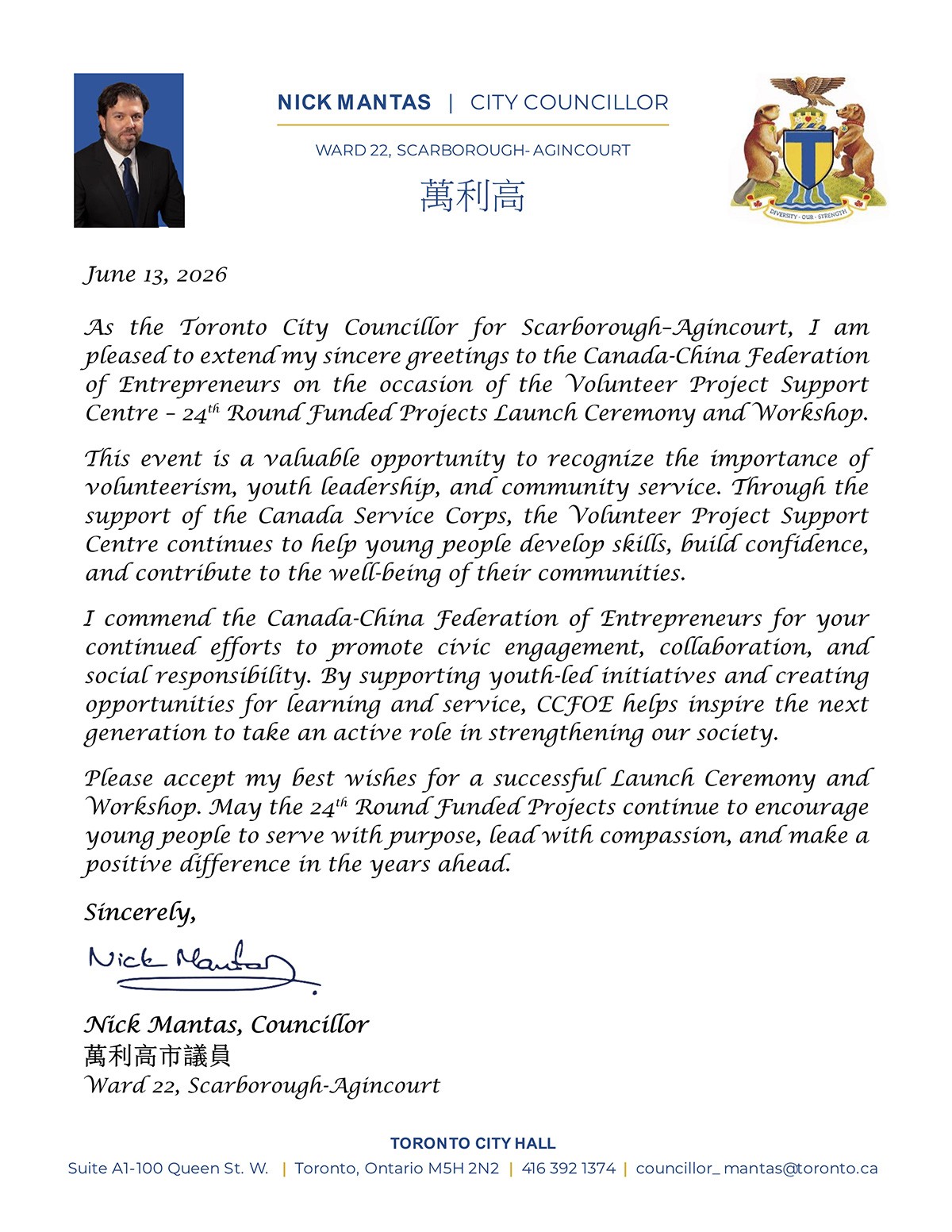
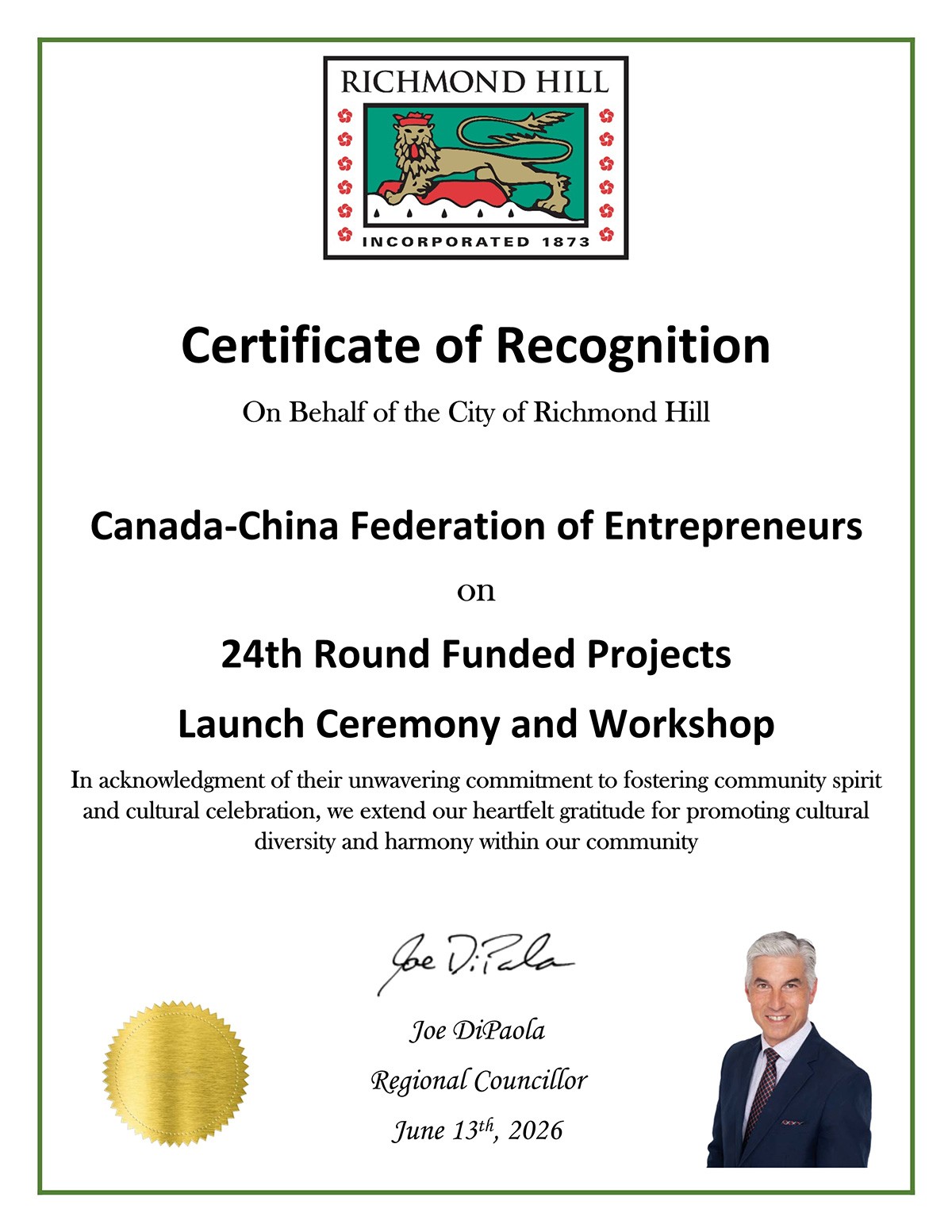
The project was selected for funding through the Youth Volunteer Project Support Centre, organized by the Canada-China Federation of Entrepreneurs, or CCFOE, with core support from the Government of Canada’s Canada Service Corps. It was one of three youth-led community projects selected in the program’s 24th funding round.
What is the STEM Bridge project?
STEM Bridge is a free robotics and artificial intelligence education program created by students from FRC Team 10015 Bubbles. The project is designed for youth ages 8 to 16 who have limited access to high-quality STEM learning opportunities. Over four weeks, participants will attend small-group, hands-on sessions covering robot building, basic programming, engineering problem-solving, and introductory AI concepts. Each student will also receive a robotics learning kit that they can take home and continue using after the program. The project is led by Ryan Zhang, with team members Queena Lin, Ryan Kong, Daniel Xue, and Max. STEM Bridge received the maximum $5,000 project grant through the CCFOE Youth Volunteer Project Support Centre. Of that amount, $4,000 is planned for robotics kits for 50 students, allowing most of the funding to directly benefit the young people taking part.

Why did CCFOE support STEM Bridge?
The Youth Volunteer Project Support Centre was created to help young people turn community-focused ideas into real action.
The program combines funding, mentorship, workshops, and project guidance to help youth develop leadership, confidence, professional skills, and a stronger sense of social responsibility. It places particular emphasis on projects that support people from underserved or disadvantaged backgrounds.
STEM Bridge stood out because it connects a clear community need with a practical and measurable solution.
Many young people are interested in robotics, coding, and artificial intelligence, but not every family has access to equipment, classes, mentors, or a local robotics team.
STEM Bridge aims to reduce that gap.
The program will not only offer free instruction. It will also give each participant access to a robot kit that can be taken home. This means students can continue experimenting, coding, and learning after the formal sessions are complete.
The project received the maximum $5,000 grant, with 80 percent of the funding, or $4,000, planned for 50 take-home robotics kits. The CCFOE review committee highlighted this direct use of funding as a strong example of turning grant support into practical benefits for the community.
For SolversMind, this is especially meaningful because the project was designed and will be delivered by students.
They are not only volunteering at an existing event. They identified a need, created a proposal, developed a budget, planned the curriculum, and accepted responsibility for delivering the program.
Who is leading the STEM Bridge project?
STEM Bridge is led by Ryan Zhang, captain of FRC Team 10015 Bubbles, together with Queena Lin, Ryan Kong, Daniel Xue, and Max.
Each student brings experience from FIRST robotics competition, team projects, outreach, programming, engineering, documentation, presentations, and community service.
Ryan serves as the project lead and is responsible for guiding the overall direction of the program, coordinating the student team, and helping connect the technical curriculum with the project’s community goals.
The other team members will support lesson planning, robot preparation, coding activities, student mentorship, event organization, documentation, and program delivery.
Although they are still high school students, the team members are taking on responsibilities that are common in professional and nonprofit work.
They must manage a budget, create a timeline, communicate with families, prepare materials, divide tasks, measure results, and make sure the program remains safe, organized, and useful.
This is an important part of the project.
STEM Bridge is designed to support younger participants, but it also gives the Bubbles students an opportunity to grow as project managers, educators, communicators, and community leaders.
What will students learn through STEM Bridge?
The program will use small-group, hands-on learning rather than lecture-based instruction.
Each session will run for approximately two hours, with the full program delivered over four weeks. Participants will work directly with robotics kits and complete activities that gradually become more challenging.
The planned learning areas include:
Basic robot construction and mechanical design
Introductory coding and program logic
Motors, sensors, movement, and control
Engineering design and testing
Problem-solving through trial and improvement
Introductory artificial intelligence concepts
Teamwork, communication, and presentation skills
The goal is not simply to show students a robot.
Participants will build, test, make mistakes, change their designs, and try again.
That process matters because it helps students understand that STEM is not only about knowing the correct answer. It is about learning how to approach a problem, test an idea, review the result, and improve.
The take-home robot kits are also an important part of the learning plan.
Students will be able to continue using the same equipment after the four-week program ends. They can repeat activities, experiment with new ideas, show family members what they learned, and continue building confidence at their own pace.
For some participants, STEM Bridge may be their first experience with coding or robotics.
For others, it may become the first step toward joining a FIRST LEGO League, FIRST Tech Challenge, or FIRST Robotics Competition team.
What outcomes is STEM Bridge planning to achieve?
The immediate goal is to provide 50 students between the ages of 8 and 16 with free access to robotics, coding, and introductory artificial intelligence education.
However, the project is designed to create an impact that continues beyond the four-week program.
The planned outcomes include:
Fifty young people completing a structured robotics and coding program
Fifty students receiving take-home robotics learning kits
Increased confidence in STEM subjects
Greater awareness of robotics, coding, AI, and FIRST programs
Improved problem-solving, teamwork, and communication skills
More access to STEM learning for underserved families
Increased interest in future robotics programs and technical careers
Leadership and teaching experience for the Bubbles student volunteers
The project team also plans to collect feedback from participants and families.
This will help the students understand which activities were most effective, where participants struggled, and how future versions of the program can be improved.
A successful outcome will not be measured only by whether a robot completes a task.
It will also be seen in whether a student becomes more willing to try, more confident asking questions, and more interested in continuing with STEM.
For SolversMind, that is the real purpose of STEM Bridge.
The project is intended to create a bridge between curiosity and opportunity.
Why is STEM Bridge important to FRC Team 10015 Bubbles?
FRC Team 10015 Bubbles has already demonstrated strong performance in robotics competition, engineering, student leadership, and outreach.
STEM Bridge gives the team a chance to use that experience in a new way.
Instead of applying their knowledge only to their own robot, the students are turning it into a community resource.
They are creating lessons, preparing kits, mentoring younger students, and helping families access STEM education at no cost.
This reflects the values of FIRST and the idea of Gracious Professionalism.
The team’s technical knowledge becomes more valuable when it is shared.
Their competition experience becomes more meaningful when it helps another student begin.
At SolversMind, we do not see outreach as something separate from robotics.
It is part of the learning process.
When students teach, they deepen their own understanding. When they manage a real project, they develop professional skills. When they serve the community, they begin to understand the wider purpose of leadership.
STEM Bridge is therefore both a community education project and a youth leadership project.
It supports underserved students while also challenging the Bubbles team members to take responsibility for a real program with real outcomes.
What role do CCFOE and Canada Service Corps play?
The Canada-China Federation of Entrepreneurs created the Youth Volunteer Project Support Centre to help youth-led community initiatives move from ideas into action.
The centre provides financial support, mentorship, workshops, and practical guidance on areas such as project management, budgeting, leadership, legal considerations, and proposal development.
Its core funding comes from the Government of Canada’s Canada Service Corps, a national initiative that supports youth volunteer service and community participation.
At the June 13, 2026 launch event in Markham, the newly funded youth teams took part in an English-language workshop and received guidance from mentors with experience in project management, financial planning, leadership, legal risk, and community service.
For the STEM Bridge team, this support provides more than project funding.
It gives the students access to experienced adults who can help them think carefully about planning, responsibility, budgeting, and long-term impact.
It also places the project within a larger network of youth-led volunteer initiatives focused on strengthening local communities.
SolversMind Robotics is grateful to CCFOE, the Youth Volunteer Project Support Centre, Canada Service Corps, the project mentors, and the review committee for believing in the students and supporting their plan.
Building a bridge through STEM
The name STEM Bridge reflects what the students hope to create.
It is a bridge between young people and technology.
A bridge between limited access and new opportunity.
A bridge between learning in a classroom and building something with your own hands.
It is also a bridge between one generation of robotics students and the next.
Ryan, Queena, Ryan, Daniel, and Max have spent years developing their knowledge through FIRST robotics. Now they are using that experience to help younger students begin their own journeys.
The planned program may last four weeks, but its impact could continue much longer.
A student who receives a robot kit may continue coding at home.
A participant who discovers an interest in engineering may join a robotics team.
A young person who once believed technology was too difficult may begin to see it as something they can understand and create.
That is the outcome the STEM Bridge team hopes to achieve.
FRC Team 10015 Bubbles is proud to lead this project, and SolversMind Robotics is honoured to support these students as they turn their technical experience into meaningful community action.
Tags:
STEM Bridge, FRC Team 10015 Bubbles, SolversMind Robotics, CCFOE, Canada Service Corps, youth volunteering, coding for youth, underserved youth, York Region STEM, Aurora robotics, student leadership, community outreach, Ryan Zhang